Backpacker Hostel: Meaning, Types, Features & What Modern Travelers Expect in 2026
In the global travel ecosystem, the backpacker hostel has evolved from a budget sleeping option into a community-driven, experience-first accommodation format. Today’s hostels are no longer just about saving money—they are about belonging, networking, flexibility, and culture.
Whether you are a traveler, student, digital nomad, hospitality entrepreneur, or city planner, understanding the meaning, characteristics, types, features, and expectations of a backpacker hostel is essential in 2026 and beyond.
What Is a Backpacker Hostel? (Meaning Explained Simply)
A backpacker hostel is a budget-friendly, community-oriented accommodation designed primarily for travelers who value shared experiences over luxury. Unlike hotels, hostels focus on social interaction, affordability, flexibility, and cultural exchange.
Simple Definition
A backpacker hostel is a lodging facility offering shared or private rooms, common spaces, and community experiences at an affordable price, primarily targeting backpackers, students, solo travelers, and digital nomads.
Backpacker Hostel Meaning in Today’s Context
In 2026, a backpacker hostel is best described as:
A hybrid of accommodation, coworking, cultural exchange, and community living.
It blends:
- Budget travel
- Social networking
- Local immersion
- Long-stay flexibility
Why Backpacker Hostels Matter in the Global Travel Economy
Backpacker hostels play a strategic role in tourism and urban ecosystems.
Economic Impact
- Drives long-stay tourism
- Supports local businesses
- Enables affordable city access for youth and students
- Acts as a feeder for cafés, coworking spaces, and events
Cultural Impact
- Encourages cross-cultural exchange
- Builds global friendships
- Promotes local experiences over tourist traps
From Europe to Southeast Asia and now across India, backpacker hostels are demand-led, not trend-led.
Key Characteristics of a Backpacker Hostel
Understanding the core DNA of a backpacker hostel is crucial.
1. Affordability with Value
- Lower cost than hotels
- Pay only for what you need
- Flexible pricing (daily, weekly, monthly)
2. Shared Living Philosophy
- Dormitories (mixed or gender-specific)
- Shared bathrooms (with increasing emphasis on hygiene)
- Common kitchens and lounges
3. Community-First Design
- Large common areas
- Activity-friendly layouts
- Conversation-driven seating
4. Experience over Infrastructure
- Events > chandeliers
- Stories > room service
- People > possessions
5. Flexibility & Freedom
- No rigid check-ins
- Long-stay friendly
- Digital nomad compatible
Types of Backpacker Hostels
Not all backpacker hostels are built the same. The market has segmented intelligently.
1. Classic Backpacker Hostel
Best for: First-time backpackers, students
- Large dorms
- Lowest price point
- Basic amenities
- High social energy
2. Boutique Backpacker Hostel
Best for: Comfort-seeking travelers
- Design-led interiors
- Smaller dorms
- Premium common spaces
- Instagram-friendly
3. Digital Nomad Hostel
Best for: Remote workers, freelancers
- High-speed Wi-Fi
- Coworking desks
- Long-stay pricing
- Quiet zones + social zones
4. Party Hostel
Best for: Nightlife-focused travelers
- Bar or pub inside
- DJ nights & pub crawls
- High energy, short stays
5. Eco / Sustainable Hostel
Best for: Conscious travelers
- Green architecture
- Local sourcing
- Waste reduction
- Slow travel mindset
6. Coliving-Backpacker Hybrid
Best for: Startup founders, creators
- Hostel pricing + coliving comfort
- Events, workshops
- Community managers
Features of a Modern Backpacker Hostel
Today’s travelers have raised the bar. A competitive backpacker hostel must deliver the following features:
1. Accommodation Features

- Dorm beds with privacy curtains
- Individual charging points
- Lockers with digital access
- Clean, ventilated rooms
2. Common Area Features
- Community lounges
- Café or shared kitchen
- Board games, books, music
- Indoor & outdoor social zones
3. Technology Features
- High-speed Wi-Fi
- Online booking & digital check-in
- QR-based services
- Smart access control
4. Safety & Hygiene Features
- CCTV in common areas
- Secure entry systems
- Regular housekeeping
- Separate gender dorms (optional)
5. Experience-Driven Features
- City walks
- Local food trails
- Open mic nights
- Workshops & jam sessions
What Do Travelers Expect from a Backpacker Hostel?
Modern travelers are value-sensitive but experience-hungry.
Core Expectations
- Cleanliness (non-negotiable)
- Reliable Wi-Fi
- Safe environment
- Honest pricing
Emotional Expectations
- Sense of belonging
- Friendly staff
- Easy conversations
- Cultural immersion
Functional Expectations
- Flexible check-ins
- Storage for luggage
- Work-friendly spaces
- Clear house rules
Social Expectations
- Events without pressure
- Opt-in socialization
- Respect for privacy
Backpacker Hostel vs Hotel vs Homestay
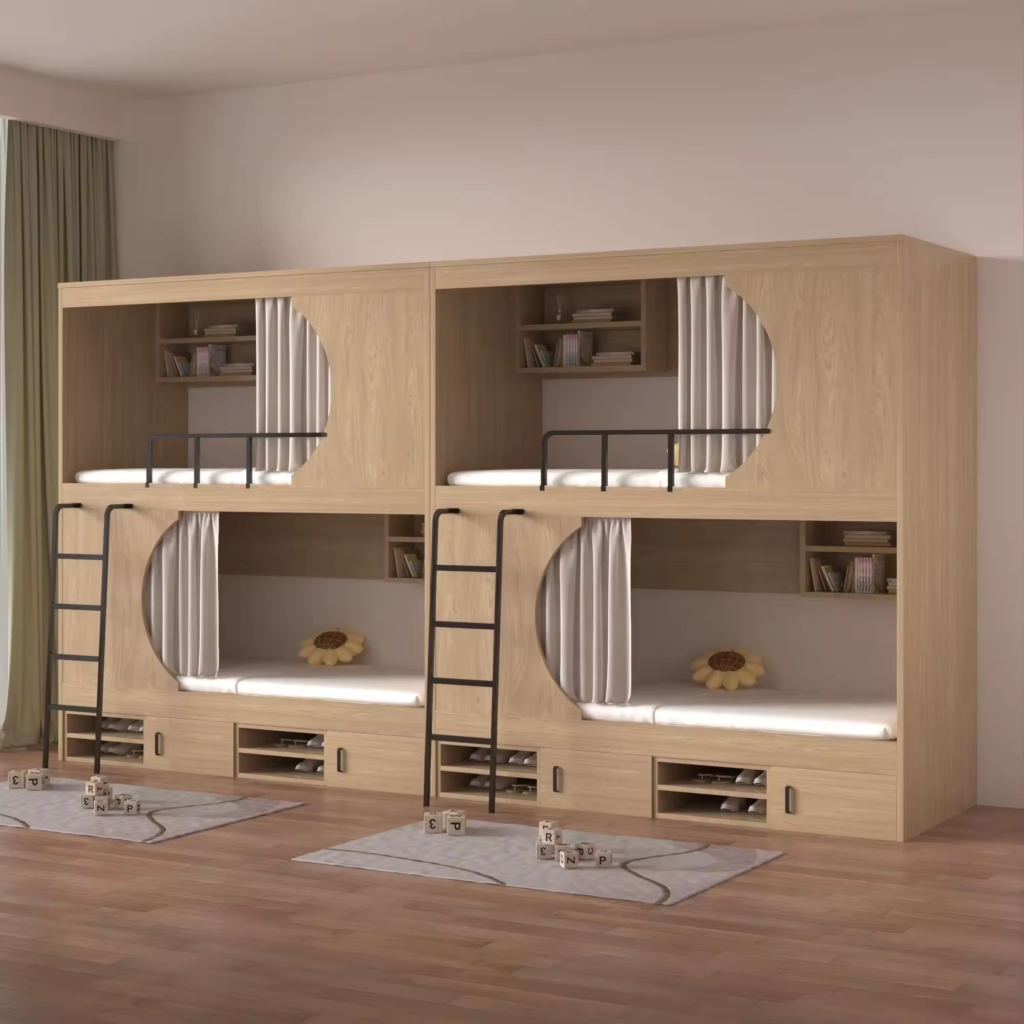
Backpacker Hostel
- Lowest cost
- Highest social interaction
- Shared facilities
Hotel
- Highest privacy
- Higher cost
- Limited interaction
Homestay
- Local immersion
- Limited scalability
- Depends on host
For solo travelers and students, backpacker hostels win on ROI.
Who Should Choose a Backpacker Hostel?
Ideal For
- Solo travelers
- Students & interns
- Budget travelers
- Digital nomads
- Startup founders
- Creators & artists
Not Ideal For
- Luxury-only travelers
- Those seeking complete isolation
Backpacker Hostel Trends Shaping the Future
1. Hostel + Coworking
Work, stay, network—repeat.
2. Long-Stay & Monthly Pricing
Backpackers are staying longer, not moving faster.
3. Community-Led Programming
Hostels are becoming micro-ecosystems, not buildings.
4. India as the Next Hostel Hub
Tier-1 and Tier-2 cities are seeing massive demand due to:
- Student mobility
- Startup culture
- Domestic backpacking
FAQs – Backpacker Hostel
Is a backpacker hostel safe?
Yes, modern hostels use access control, lockers, CCTV, and staff supervision.
Are backpacker hostels only for foreigners?
No. Indian students, professionals, and domestic travelers now form a major user base.
Can families stay in backpacker hostels?
Some hostels offer private rooms suitable for couples or small families.
What is the average cost of a backpacker hostel in India?
Typically ranges from ₹400 to ₹1,200 per night, depending on city and features.
Final Thoughts: The Backpacker Hostel Is No Longer “Budget Only”
The modern backpacker hostel is:
- A social platform
- A learning space
- A work-friendly hub
- A launchpad for global connections
In a world moving toward experience-led living, backpacker hostels are not a compromise—they are a strategic lifestyle choice.
Or to put it simply:
Hotels give you a room. Backpacker hostels give you stories.
Ahmedabad Startup House: A New-Age Backpacker Hostel for Builders, Not Just Travelers
Ahmedabad Startup House represents the next logical evolution of the backpacker hostel model—one that is community-first, startup-centric, and purpose-built for long-stay creators. Positioned at the intersection of backpacking, coliving, and coworking, it caters to founders, students, digital nomads, interns, and global travelers who want more than a bed—they want access, conversations, and momentum. Unlike traditional hostels that optimize for short stays, Ahmedabad Startup House is designed as a residential ecosystem, enabling residents to live, work, collaborate, and build under one roof.
From an experience lens, Ahmedabad Startup House operates as a startup campus in hostel form. Think premium dorms and private rooms, work-friendly common areas, community-led events like pitch nights and demo days, café-style social spaces, and a strong plug into Ahmedabad’s growing entrepreneurial and academic ecosystem. For the modern backpacker who doubles up as a builder, freelancer, or student, it delivers high ROI on rent, relationships, and real-world exposure—making it not just a place to stay, but a place to belong, build, and break out. In short, it’s a backpacker hostel with a vision deck.
Leave a Reply to Startup House in Ahmedabad? A Dream Coming True in 2026 Cancel reply